


Blog / Akron Buick Service

Blog

All Akron Buick Service Akron GMC Dealer OH Akron Buick Dealer Toth Buick GMC Service Akron
A person's hand on a steering wheel and their wrist watch

8 Car Maintenance Tips for GMC and Buick Owners

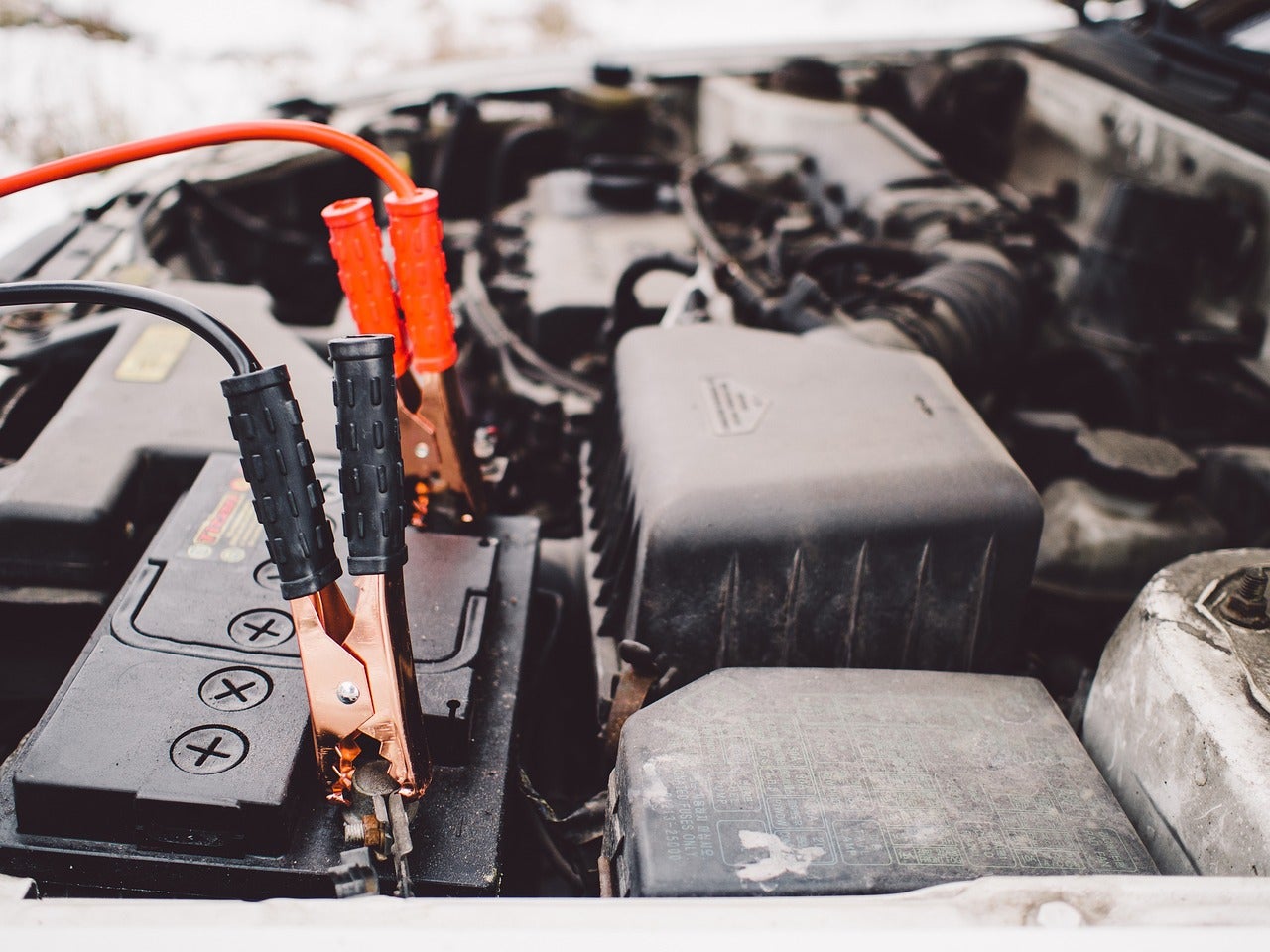
The joy of car ownership comes with the responsibility of car maintenance. With a little help from your Buick dealer and a few simple tips, you can keep your GMC or Buick in excellent condition. more 1. Get Regular Oil Changes at the Buick Dealer Low, dirty oil can cause damage to your engine, so it's important to change it on schedule. For most vehicles, you're safe if you change the oil every 5,000 miles or after six months. For guidelines specific to your vehicle, refer to your owner's manual. 2. Perform Tire Maintenance Proper tire maintenance includes regular checks for tire pressure, tread depths, and signs of wear. Rotating your tires every 5,000 miles or so can ensure even wear and extend the life of your tires. Getting your tires rotated every time you change the oil is a good way to make sure you don't forget this critical task. 3. Have Scheduled Brake Inspections Have your brakes inspected regularly, or immediately if you notice any changes in the way they perform. If you hear strange noises or notice your brake pedal is harder or much easier than usual to press, take your car to the dealership to have it checked. Your brakes should be checked at least once a year. 4. Check Your Fluid Levels Your car cannot run properly without fluids like coolant, power steering fluid, brake fluid, and transmission fluid. Check your fluids monthly to make sure they are within safe levels. If your fluids are too low, you may have leaks or other issues that need attention. 5. Maintain Your Battery A dead battery can easily leave you stranded. To avoid that, inspect your battery regularly for signs of leaks or corrosion. Test it to be sure it's holding a charge properly. Most car batteries need replacement after three to five years. 6. Replace Air Filters Your car's engine and cabin air filters keep pollutants out. Replace these filters every 15,000 miles or once a year to ensure clean airflow and efficient engine operation. 7. Inspect Belts and Hoses The belts and hoses in your car can wear out and crack over time. Regularly inspect them for signs of wear and replace them as needed. This is especially important for the timing belt, which should be replaced according to your vehicle's maintenance schedule. 8. Check Your Headlights and Taillights Take the time to make sure your headlights, taillights, brake lights, and turn signals are working properly. Replace any bulbs that have burned out as soon as you notice them to stay safe on the road. Routine maintenance is the key to keeping your vehicle running smoothly and reliably for years to come. Call Toth Buick GMC in Akron, OH, and let us help you with all your maintenance needs. Image via Pixabay

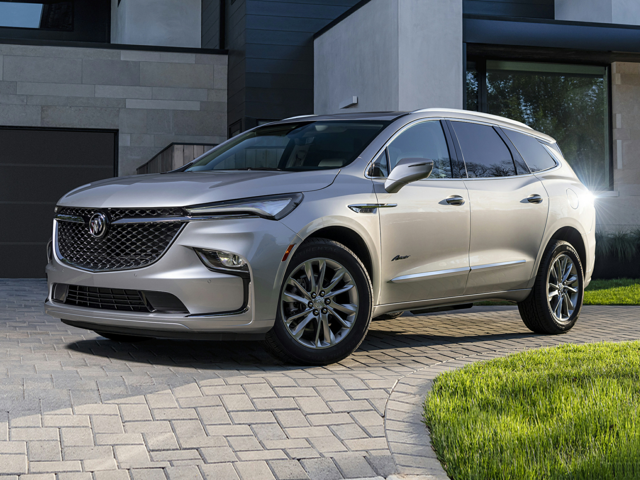
A Buick Enclave parked outside of a building

Need New Headlights? Advice from Your GMC/Buick Dealer

Headlights are a crucial component of safe driving, and if you own a GMC or Buick, you value safety. Over time, your headlights may deteriorate, affecting your visibility and overall driving experience. So how do you know if your vehicle needs new headlights? Here's some advice from your Buick dealer about what signs to keep an eye out for. more Dimming or Flickering Headlights One of the most common signs that your car needs a new set of headlights is dimming or flickering lights. If you notice your headlights becoming less bright or flickering while in use, it's a clear indicator that something is amiss. Dim headlights reduce your visibility, making it challenging to see the road and potential hazards. Flickering headlights can also be distracting and may indicate an electrical issue that needs immediate attention. Reduced Visibility at Night If you find yourself struggling to see the road clearly when driving at night, it's time to consider replacing your headlights. Reduced visibility is not only a safety concern but also a major inconvenience. Replacing those headlights can significantly improve your nighttime driving experience, ensuring you can see obstacles, pedestrians, and road signs clearly. Yellowing or Hazing on Headlight Lenses Exposure to UV rays, road debris, and weather conditions can cause headlight lenses to become hazy, cloudy, or yellowed. This reduces the effectiveness of your headlights as well as detracting from your vehicle's appearance. Cloudy lenses scatter light and reduce the distance your headlights can illuminate. Replacing the lenses or the entire headlight assembly can restore your vehicle's lighting performance and aesthetics. Cracked or Broken Headlight Housings Physical damage to your headlight housings is a clear indication that replacement is necessary. Cracked or broken housings not only compromise the structural integrity of the headlights but also expose sensitive components to the elements. Moisture and debris can enter the housing, leading to electrical problems and reduced functionality. Promptly replacing damaged housings is crucial for maintaining the safety and longevity of your headlights. Bulb Burnout Headlight bulbs have a limited lifespan, typically ranging from 500 to 1,000 hours of use. If one or both of your headlight bulbs have burnt out, it's essential to replace them promptly. Driving with a burnt-out headlight not only decreases your visibility but can also result in a traffic violation. Replacing bulbs is relatively simple and cost-effective. Your vehicle's headlights play a vital role in ensuring your safety on the road, so if you notice any of these warning signs, call us here at Toth Buick GMC to schedule an appointment to get your headlights checked out and possibly replaced. Image via Buick

A car tire on the pavement

Time for New Tires? Visit Your GMC/Buick Dealer Today

There's something special about driving a GMC or a Buick. Whether it's the ruggedness of a GMC Sierra or the refined luxury of a Buick Enclave, these vehicles promise not only performance but a sense of security on the road. Part of keeping that promise is ensuring your tires are in top shape. Wondering if it's time to get new tires? Here are some common signs that a trip to the Buick dealer might be in order. more Worn Tread Depth The tread on your tires is what provides traction, preventing you from slipping on wet or icy roads. An easy way to check this is with a penny from your pocket. Stick the penny into the grooves of your tire with Lincoln upside down. If you can see all of his head, your tread depth is too low and you need a new set of tires. Frequent Loss of Tire Pressure If you find yourself heading to the air pump to inflate your tires over and over again, it could be a sign of a slow leak. While fluctuations in tire pressure are normal with changes in temperatures, consistently low pressure is a warning sign. It's not just an inconvenience; low tire pressure can affect your vehicle's handling and fuel efficiency. Visible Sidewall Damage Take a moment to really look at the sidewalls of your tires. Cracks, cuts, or bulges in the sidewall may mean damage that could lead to a blowout. Any visible damage to the tire's sidewall is a clear indication that you should replace the tire at once to avoid this risk. Vibrations or Unusual Noises While some vibrations are normal, especially on rough roads, excessive vibration or odd noises coming from your tires could mean you have an issue. These symptoms could signal misalignment, balance problems, or even internal tire damage. Aging Tires Many drivers don't spare a thought for how old their tires are. Even if they seem to be in good shape, the rubber in your tires will deteriorate over time. Most manufacturers recommend replacing your tires by the time they are six years old, no matter how much tread you have left. Check your sidewall for the manufacturing date to determine their age. Pick Up New Tires at the Buick Dealer Keeping your tires in good shape is a critical part of vehicle maintenance. If you notice any of these issues with your tires, don't hesitate to visit your local dealership. Our expert team can assess your tires, advise you on the best replacements, and provide professional installation. Remember, good tires are not just an investment in your vehicle, they're an investment in your safety. If you think it's time to replace your tires, take a trip to Toth Buick GMC. Image via Pixabay

Two spark plugs attached to a car's inside parts

Does Your GMC or Buick Need a Transmission Repair?

The transmission of your vehicle is one of the most essential components, so it's important to have transmission repair at your Buick dealer. The transmission is responsible for helping your car shift the gear ratio between the drivetrain, which then allows your car to speed up or slow down. If your transmission is busted, you probably won't be driving anywhere. more While a car that doesn't move at all is an obvious sign that the transmission is out of commission, there are several other signs that can indicate a problem. For example, if your gears are slipping when you're on the road, your transmission is probably compromised. If you have slipping gears, you should never drive your car. Instead, you should call for a tow service, so your car can be repaired at the dealership. Other warning signs include: Fluid Leak Your transmission relies on fluid to help shift the gear ratios smoothly. If you notice a red puddle of fluid beneath your car, then you have a transmission fluid leak. Transmission fluid leaks tend to be fast, which means it's not safe to drive your car when you notice a leak. Burning Odor A burning odor from your vehicle can indicate a lot of issues, such as overheating or burning oil. However, sometimes a burning odor can also be a sign that your transmission is too old. An old transmission will start to burn when there is low transmission fluid. While topping up your transmission fluid can get you from point A to point B for a while, your transmission will eventually need to be replaced entirely. Hard Gear Shifts Finally, if it's hard to shift gears when you're driving, you need to schedule a transmission service. Your vehicle should glide smoothly between different gears, regardless of whether you have an automatic or manual transmission. When your vehicle doesn't shift gears promptly, it's likely because the transmission is low on fluid. What Happens During Transmission Service at Your Buick Dealer? During transmission service, the first thing a mechanic will do is assess the level of transmission fluid in your vehicle. If there are no obvious leaks or other damage, then the transmission fluid will be replaced, and your repair should be done. It's also common for old gaskets and pans to be replaced during this service. If there is major damage to your transmission, your Buick mechanic may recommend replacing it. Without a working transmission, your vehicle cannot be on the road safely. For dependable repairs, you should always schedule transmission service at your local dealership so your transmission can be fixed with genuine parts by a trained technician. Schedule your service appointment with Toth Buick GMC today. Image via Pixabay

A car's interior brake

Does Your GMC or Buick Need a Brake Repair?

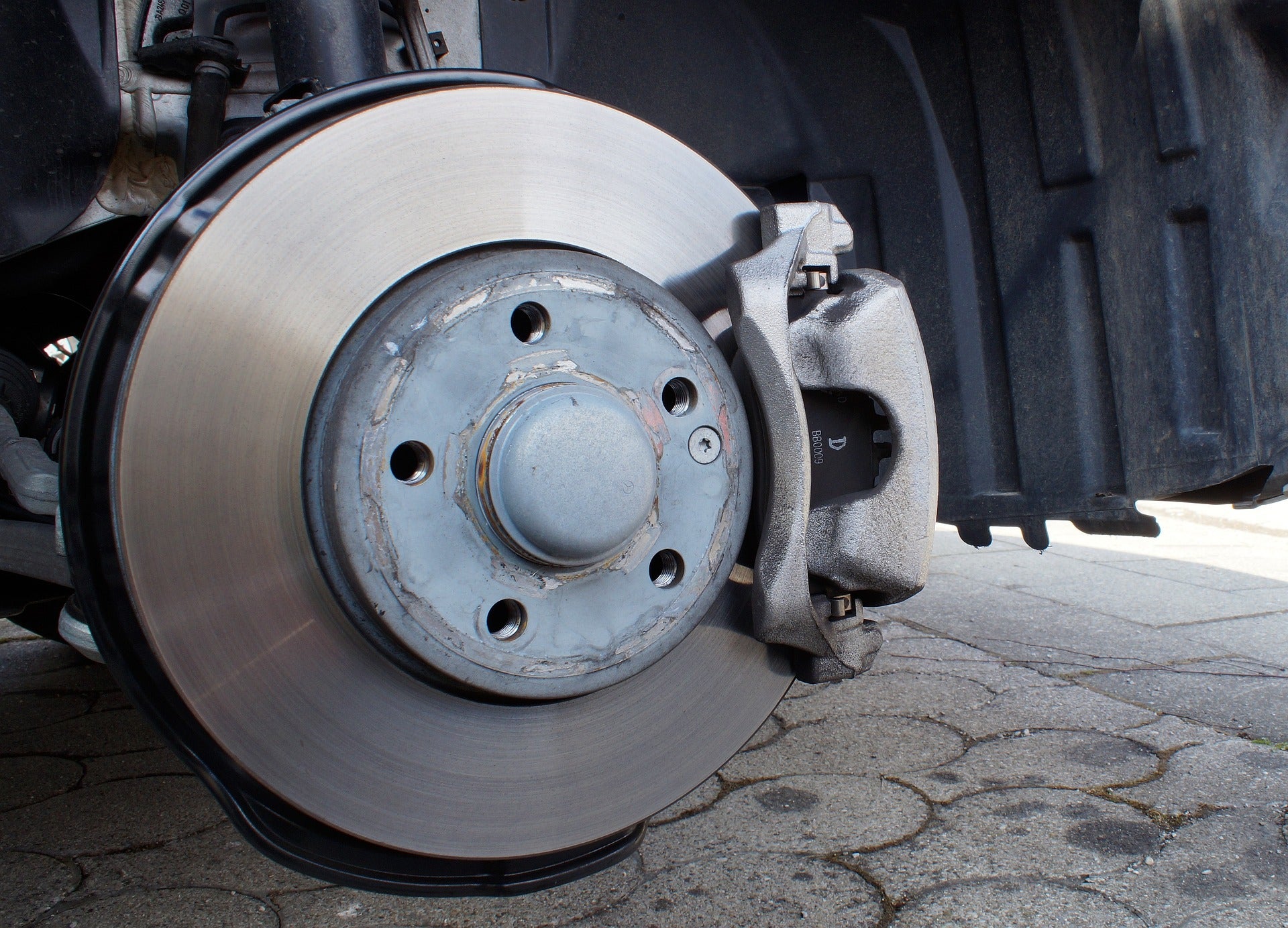
Both GMC and Buick have exceptional brakes. All you need to maintain them is brake servicing at your local Buick or GMC dealer every six months or so. But if you often drive in conditions that wear down brakes faster, you might require brake repair more frequently. And all drivers should keep an eye out for telltale signs of extensive brake wear. more Not all drivers brake the same amount. Some need to brake far more frequently on a daily basis. Some drivers naturally have a more brake-heavy driving style. If you find yourself driving under the following conditions, consider having your brakes inspected more often to avoid brake problems: Commuting in Heavy Traffic Driving for prolonged periods in heavy urban traffic is an unfortunate daily occurrence for many commuters. Apart from wearing on your nerves, heavy stop-and-go traffic will also wear on your brakes. Mountainous or Hilly Terrain Flat roads are wonderful for brakes because gravity is on your side. On the other hand, roads that rise and fall over mountainous or hilly terrain frequently require your brakes to fight against gravity on downhill stretches. This really puts a lot of strain on even the toughest of brakes. Hauling Heavy Loads Heavier vehicles take more force to accelerate and also more force to slow down. If you often carry loads on your roof rack or tow a trailer, then your brakes have a harder job in stopping you. Brake-Friendly Driving Styles There are also certain styles of driving that use the brakes too much. Rather than easing off the gas as they predict a stop ahead, they'll keep going fast and then use the brakes to slow rather than easing off the gas and allowing gravity to help slow their vehicle. Ask Your Local GMC Dealer It can be difficult to know if your terrain or driving style demands more than usual braking and if your brakes are wearing down faster than the norm. If you're unsure, you can always ask the technician during your next brake servicing visit. They'll be happy to offer advice. Common Signs of Brake Trouble Faltering brake pads will often emit squealing sounds to alert you that the friction layer is worn down and it's time for replacements. Any reddish or red-brown liquid dripping under your car or wheels means your brake fluid is leaking, which should never be ignored. Spongy or sluggish brakes usually mean either your brakes are overheating or your fluid is low. And vibrations through the brake pedal indicate a damaged rotor disc. In any of these cases, it's best not to drive until the problem is properly diagnosed and fixed. Have your brakes repaired today at Toth Buick GMC. We're a trusted local dealership established in 1936 and serving the region's drivers ever since. Image via Pixabay

A car brake being repaired

3 Signs It's Time To Get Brake Repair at Your Chevy Dealer

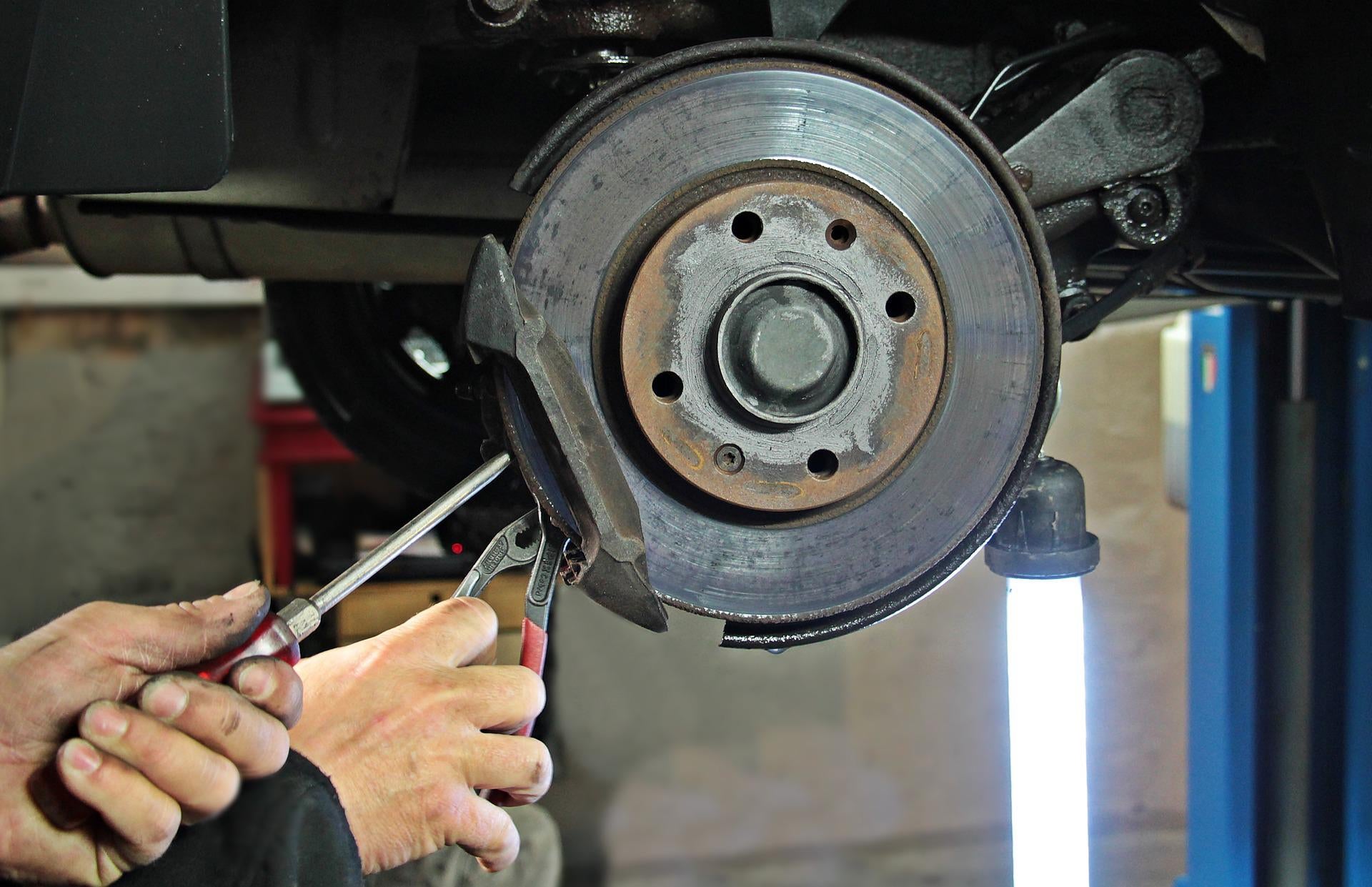
Good brakes are essential for keeping you, your car, and others safe. If your brakes work correctly, you know that you can control your speed and stop exactly where, and when you need to. A brake problem, like a slight screeching sound, may seem minor, but it can also be the start of a dangerous problem. For your safety, your brakes must always work. These are signs that you need a brake repair at your Chevy dealer ASAP. more A Soft Pedal When you step on the brakes, you should always feel some resistance, and the harder you press, the more the resistance. If you press the brake pedal and you feel almost no resistance, there's a problem. When you use the brakes, brake fluids are forced into the brake hoses. This fluid is under pressure, and this allows it to exert hydraulic pressure on the calipers that sit above your wheel rotors. These calipers are designed to push against the wheel rotors. The friction generated will bring your car to a stop. When your pedal feels soft, this shows a loss of pressure in the braking system. This lack of pressure can be caused by a lack of brake fluid or an air bubble in the system. We can bleed the brakes if it's an air bubble, and if it's a brake fluid problem, we can find and fix the leak. A Hard Pedal The opposite of the soft pedal above, in this situation your pedal almost completely refuses to work. You have to exert a huge amount of effort for it to budge. Two of the main causes of this situation are a blockage in one of the brake lines or a failed brake booster. A blockage in the brake line will prevent fluid from exerting the pressure needed for the brake to work. Your brake booster provides the extra force needed to overcome the natural resistance of the braking system. The booster operates in a vacuum, and it gives you at least 10x of your strength when you press on the pedal. Since the booster requires a vacuum, even the smallest hole or damage to the booster will break the vacuum. Without the assistance of the booster, the pedal will be almost impossible to move. Visible Damage You can't visibly check most of your car's braking system without a car lift and special tools. You can, however, see the parts of the braking system connected to your wheels. If you're hearing strange sounds from the brakes, you may be able to see the fault by looking here. If you look between the spokes of your wheels, you'll see the calipers, the brake pads, and the wheel rotors. Grooves, a blue tinge, or cracks in the rotor can easily be seen. You'll also see worn-out brake pads and any damage to the calipers. If your brakes are showing signs of wear, call us ASAP at Toth Buick GMC.   Image via Pixabay

Contact Us

Fill out this form below and we'll contact you shortly
*Required Fields